By Nessa, with Mackenzie and Kara occasionally refusing to stay quiet
Looking professional does not mean looking expensive, stiff, boring or like you’ve been laminated by corporate policy.
It simply means looking put together enough that people can focus on what you are saying, not whether your shirt is doing something strange, your bra strap is making a break for freedom, or your foundation has started separating like it’s had a disagreement with your moisturiser.
Mackenzie would like me to say that foundation separation is usually a skincare or prep issue, not a moral failing.
Kara would like me to say that if someone is judging your foundation instead of listening to your point, they can jog on.
So there we are. Balanced advice from the three of us already.
The good news is that looking professional is not about having a perfect wardrobe or spending loads of money. It is about small choices that make you look neat, calm, prepared and comfortable in yourself.
And honestly, that’s half the battle. Because if your outfit feels wrong, you know about it all day. You sit there pulling at your top, checking your waistband, adjusting your bra, wondering if your tights are laddering, and suddenly you’re not thinking about the meeting. You’re thinking about your clothes staging a workplace protest.
Start with clothes that actually fit
The quickest way to look more professional is to wear clothes that fit your body properly.
Not clothes you wish fitted. Not clothes that fitted three years ago. Not clothes that technically fasten if you stop breathing and stand very still near a wall. Clothes that fit you now.
A shirt that pulls across the bust will make you feel self-conscious. Trousers that dig in will distract you all day. A blazer that is too tight across the shoulders will make every arm movement feel like a tactical decision. A skirt that rides up every time you sit down is not businesswear, it is a full-time admin job.
Professional clothing should let you move, sit, walk, bend slightly, breathe and eat lunch.
Kara: “If your trousers make you scared of sitting down, they’re not trousers. They’re a threat.”
She’s not wrong.
If something is too tight, too short, too sheer, too clingy or constantly needs adjusting, it may not be the right piece for work. That does not mean your body is wrong. It means the item is not doing its job.
Choose simple, reliable pieces
You do not need a giant wardrobe to look professional. A few reliable pieces can do a lot of heavy lifting.
Think plain tops, smart trousers, neat skirts, simple dresses, cardigans, blazers, clean knitwear, polished flats, loafers, ankle boots or smart trainers if your workplace allows them.
Neutral colours can be useful because they are easy to mix: black, navy, grey, cream, white, beige, brown, olive or soft blue. But professional does not mean colourless. If you love colour, use it. A strong blouse, a bright cardigan, a patterned scarf or a colourful shoe can still look smart if the rest of the outfit is balanced.
The trick is to avoid looking like you got dressed during a power cut.
Kara: “Speak for yourself. Some of my best outfits have come from mild chaos.”
Mackenzie: “And some of them have looked like a clearance rail had a nervous breakdown.”
Kara: “That was one time.”
It was not one time.
If you are unsure, build outfits around one stronger piece and keep the rest simple. Patterned blouse with plain trousers. Bright blazer with a basic top. Statement earrings with a simple dress. Let one thing speak. Don’t make the whole outfit have a committee meeting.
Pay attention to underwear
This bit matters more than people think.
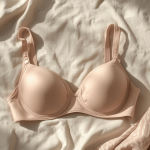
The wrong underwear can ruin an otherwise good outfit. A bra that digs in, shows through, creates lumps under a shirt or needs constant adjusting will not help you feel polished. Knickers that cut in, roll down or show strong lines under trousers can also make you feel uncomfortable.
For work, smooth and comfortable is usually the goal. A well-fitting T-shirt bra, non-wired bra, full-cup bra or smoothing bralette can work depending on your shape and outfit. Under white or pale shirts, nude-to-you tones usually show less than white underwear. Under fitted clothes, smooth seams can help.
This does not mean your underwear has to be boring. It just means your work outfit should not be held hostage by it.
Kara: “Also, confidence starts underneath. I don’t care if nobody sees it. You know. Your posture knows. Your walk knows.”
Mackenzie: “That is weirdly dramatic, but she has a point.”
Kara: “Thank you.”
Mackenzie: “I said weirdly dramatic.”
Kara: “Still counts.”
If your bra straps keep showing, your band rides up, your cups gape, or you are counting down the hours until you can take it off, it may be time to check your size or try a different style. Looking professional is easier when your underwear is quietly doing its job instead of trying to become the main event.
Keep makeup simple, fresh and intentional
You do not need a full face of makeup to look professional. You also do not need perfect skin, salon brows or a beauty routine with more steps than a tax return.
Mackenzie is taking over this paragraph because she has opinions and a lip gloss within reach at all times.
Mackenzie: Looking professional with makeup is not about covering yourself up. It is about choosing what makes you feel awake, polished and like you did not leave the house during a fire drill. If you wear makeup, a simple work routine can be enough: moisturiser, SPF, a light base if you want it, concealer where needed, brow gel, mascara, a little blush and lip balm or lipstick.
You do not have to do all of that. You can do none of that. Beauty should be a choice, not a workplace entry fee.
But if you do want to look a bit more put together, focus on freshness rather than perfection. Hydrated skin, neat brows, a touch of colour on the cheeks and lips, and mascara can make a big difference without making you feel overly done.
Kara: “Translation: don’t let anyone tell you that you need a full contour to send an email.”
Mackenzie: “Correct. Also, please blend your foundation down slightly if your face and neck are different colours.”
Kara: “There she is.”
Mackenzie: “I’m being helpful.”
She is, to be fair.
If your foundation often looks patchy, check whether your skin is dry, whether your moisturiser has had time to sink in, and whether your primer and foundation actually work together. Sometimes the issue is not the makeup. Sometimes it is two products quietly fighting on your face.
And if you do not wear makeup, clean skin, moisturiser and lip balm can still look fresh and professional. The point is not to perform beauty for other people. The point is to feel comfortable in your own face.
Keep hair and grooming tidy, not perfect
Hair does not need to be fancy. It just needs to look like you made a decision.
Down, tied back, clipped, plaited, curled, straightened, natural, covered, cropped — all fine. The key is comfort and neatness.
If your hair has a mind of its own, keep a few easy tools around: a clip, hair tie, smoothing cream, dry shampoo, headband or scarf. Not because you need to hide your hair, but because work mornings are not always peaceful little lifestyle adverts. Sometimes you wake up looking like you’ve been arguing with a hedge.
Nails are the same. They do not need to be polished, long or expensive. Clean and tidy is enough. Chipped nail polish can make you look more rushed than bare nails, so if polish is half gone, either refresh it or remove it.
Mackenzie: “Bare nails are chic. Chipped polish is a cry for scheduling help.”
Kara: “Some of us have lives, Mackenzie.”
Mackenzie: “And nail polish remover.”
Kara: “Touché.”
You do not need to look like you’ve walked out of a beauty advert. You just want to look like you did not get ready while being chased.
Check your shoes and bag
Shoes can quietly make or break a professional outfit.
They do not have to be heels. In fact, if heels make you walk like a newborn deer on laminate flooring, leave them alone. Smart flats, loafers, ankle boots, ballet flats, brogues or clean trainers can all look professional depending on the workplace.
The main thing is that they are clean, comfortable and not falling apart. Scuffed shoes happen, especially in real life, but if they are battered beyond hope, they can drag the whole outfit down.
Your bag matters too. It does not need to be designer. It just needs to be practical and tidy enough that you can find things without conducting an archaeological dig at reception. A structured tote, laptop bag, crossbody or clean backpack can all work.
Kara: “My bag has personality.”
Mackenzie: “Your bag has receipts, crumbs and emotional damage.”
Kara: “And a charger, which you always borrow.”
Mackenzie: “Continue.”
Professionalism sometimes begins with removing a crushed cereal bar from the side pocket. Painful, but true.
Avoid clothes that need constant supervision
Some clothes are lovely in theory and exhausting in real life.
The blouse that gaps. The trousers that crease if you look at them. The dress that rides up. The skirt that twists. The top that is just slightly too sheer. The blazer that attracts every piece of fluff within a five-mile radius.
These clothes may be fine for a short event, but for a full workday they can become annoying. A professional wardrobe should make life easier, not give you another thing to manage.
Before wearing something to work, ask yourself: can I sit in this, walk in this, reach in this, commute in this and eat in this without worrying? If yes, brilliant. If no, it might be better saved for another time.
Professional style is not just about how something looks in the mirror at 8am. It is about how it behaves at 2.45pm when you are tired, busy and trying to remember what your password is.
Dress for your workplace
Looking professional depends on where you work.
Professional in a law office may look different from professional in a school, a beauty salon, a café, a creative studio, a hospital, a call centre, a shop or a remote-working video call.
So think about your environment. Are people wearing suits? Smart casual? Uniform? Practical clothing? Are trainers acceptable? Are jeans allowed? Do you need closed-toe shoes? Do you need to move around a lot? Are you on camera? Are you customer-facing?
The best professional outfits respect the workplace while still feeling like you. You do not have to erase your personality. You just need to dress in a way that fits the setting.
Kara: “Exactly. Professional does not mean you have to become beige wallpaper with a staff pass.”
Mackenzie: “Although beige can be beautiful if styled properly.”
Kara: “You would defend beige.”
Mackenzie: “It’s called quiet luxury.”
Kara: “It’s called oat milk with buttons.”
If you are new somewhere, it is often better to start slightly smarter and relax once you understand the culture. Not full royal garden party. Just neat, safe and pulled together.
Use layers to look instantly smarter
Layers are your friend.
A plain top and trousers can look fine. Add a blazer, cardigan, longline waistcoat, smart jacket or structured knit, and suddenly it looks more intentional.
Layers also help if your body changes during the day, the office temperature is ridiculous, or you are dealing with bloating, hormones or just general life. A good layer can make you feel more covered and comfortable without looking like you are hiding.
A blazer is not compulsory, but it can work wonders. So can a neat cardigan, especially if you don’t want to feel too formal. The point is structure. A simple layer can pull an outfit together quickly.
Kara: “A blazer is basically confidence with sleeves.”
Mackenzie: “That is actually good.”
Kara: “I know. Write it down.”
I have.
Have a backup outfit formula
Some mornings are chaos. The alarm does not go off, your hair has chosen rebellion, and your brain is still buffering.
This is where an outfit formula helps.
For example: smart trousers, plain top, cardigan or blazer, comfortable shoes.
Or: simple dress, tights, ankle boots, jacket.
Or: dark jeans if allowed, blouse, blazer, loafers.
Or: wide-leg trousers, fitted top, necklace, clean trainers.
Having two or three formulas means you don’t have to think from scratch every morning. You just repeat what works. That is not boring. That is efficient.
Nobody is keeping a spreadsheet of how often you wear your black trousers. And if they are, they need a hobby.
Confidence is part of looking professional
Kara is taking this bit because she has been bouncing in her chair waiting for the word confidence.
Kara: Looking professional is not just about clothes. It is how you carry yourself in them. You can have the best outfit in the room and still shrink into the carpet if you don’t feel like you deserve to be there.
You do.
Stand properly. Take up a normal amount of space. Stop apologising before you’ve even spoken. Wear clothes that let you move like a person, not like you’re trying to sneak through your own life unnoticed.
Confidence does not mean being loud, bossy or fake. It means not treating yourself like an inconvenience.
Mackenzie: “That was almost inspirational.”
Kara: “Almost?”
Mackenzie: “I’m emotionally British by association now. I can’t overpraise.”
Kara: “You’re American.”
Mackenzie: “Exactly. I’m showing growth.”
Kara is right, though. Looking professional is easier when you are not constantly pulling yourself smaller. Your clothes, hair, makeup and accessories should help you step into the day, not make you feel like you’re wearing a costume.
Nessa’s final word
Looking professional does not have to be complicated.
Wear clothes that fit. Choose reliable pieces. Sort your underwear. Keep makeup and grooming simple. Look after your shoes and bag. Dress for your workplace. Avoid clothes that need constant adjusting. Add a layer if you want to look instantly smarter. Have a backup outfit formula for chaotic mornings.
And remember, professional does not mean perfect.
It means you look ready, comfortable and put together enough to get on with what you came to do.
Mackenzie says beauty should help you feel polished, not pressured.
Kara says confidence starts when you stop dressing like you’re apologising.
And I say both of them are right, which is annoying, because now they’ll be unbearable all afternoon.
Still, if your outfit lets you breathe, move, work and feel like yourself, you’re already halfway there.
Which, frankly, is hard enough without your bra wire joining the meeting uninvited.