By Kara, with Mackenzie Monroe apparently “just adding a few helpful notes,” which is what she calls interrupting.
There’s been a quiet takeover happening in gym wear, and no, I don’t mean everyone suddenly pretending they enjoy burpees.
Primary colours are back.
Red, blue, yellow, and those bold, clean shades that look like someone finally turned the brightness up after years of beige, charcoal, and “almost black but somehow sadder.” Gym wear has spent a long time hiding in safe colours. Black leggings. Grey tops. Navy hoodies. Practical? Yes. Exciting? Not exactly.
Now the gym floor is starting to look sharper. More confident. More awake. And honestly, I’m here for it.
Primary colours work because they don’t whisper. They give energy before you’ve even picked up a dumbbell. Red feels strong and direct. Blue looks clean, athletic, and focused. Yellow brings brightness, warmth, and a bit of nerve. These colours are simple, but they are not boring. They make activewear feel fresh without needing complicated patterns, slogans, or cut-outs in places nobody asked for.
Mackenzie: “Also, primary colours are basically the outfit equivalent of walking into a room and saying, ‘Hi, I have arrived, and yes, I moisturised.’”
Cheers, Mackenzie. Deeply scientific.
The useful thing about primary colours is that they are easy to build around. You do not have to wear head-to-toe red like you’re auditioning to be a warning sign. You can start small. A blue sports bra under a white vest. Red leggings with a black oversized tee. A yellow zip jacket over neutral gym kit. A bright pair of trainers with a plain outfit.
That is where these colours become wearable. They are bold, but they do not have to be loud all at once.
The first thing to buy is a proper primary-colour sports bra.
This is probably the easiest way to bring colour into your gym wardrobe without feeling like you have completely changed your style. A red, blue, or yellow sports bra can sit under a vest, hoodie, open shirt, or matching gym top. It gives a flash of colour without taking over the whole outfit.
But do not just buy one because the colour looks good. Support still comes first.
For low-impact movement like walking, stretching, Pilates, or gentle strength training, a lighter-support bra may be enough. For running, HIIT, dance cardio, boxing, or anything with jumping, you need stronger support. Look for wider straps, a firm underband, good coverage, and fabric that holds without squashing. If the bra shifts when you move, it is not supportive enough.
Red is a strong choice if you want something bold and confident. Blue is more classic and sporty. Yellow is trickier, but brilliant if you like a brighter, sunnier look. If yellow feels too much against your skin tone or under your tops, try it as a detail rather than the main piece.
Mackenzie: “A yellow sports bra under a white oversized shirt is very ‘I casually look amazing after reformer Pilates.’”
Kara: We are not all going to reformer Pilates, Mackenzie.
Mackenzie: “Not with that attitude.”
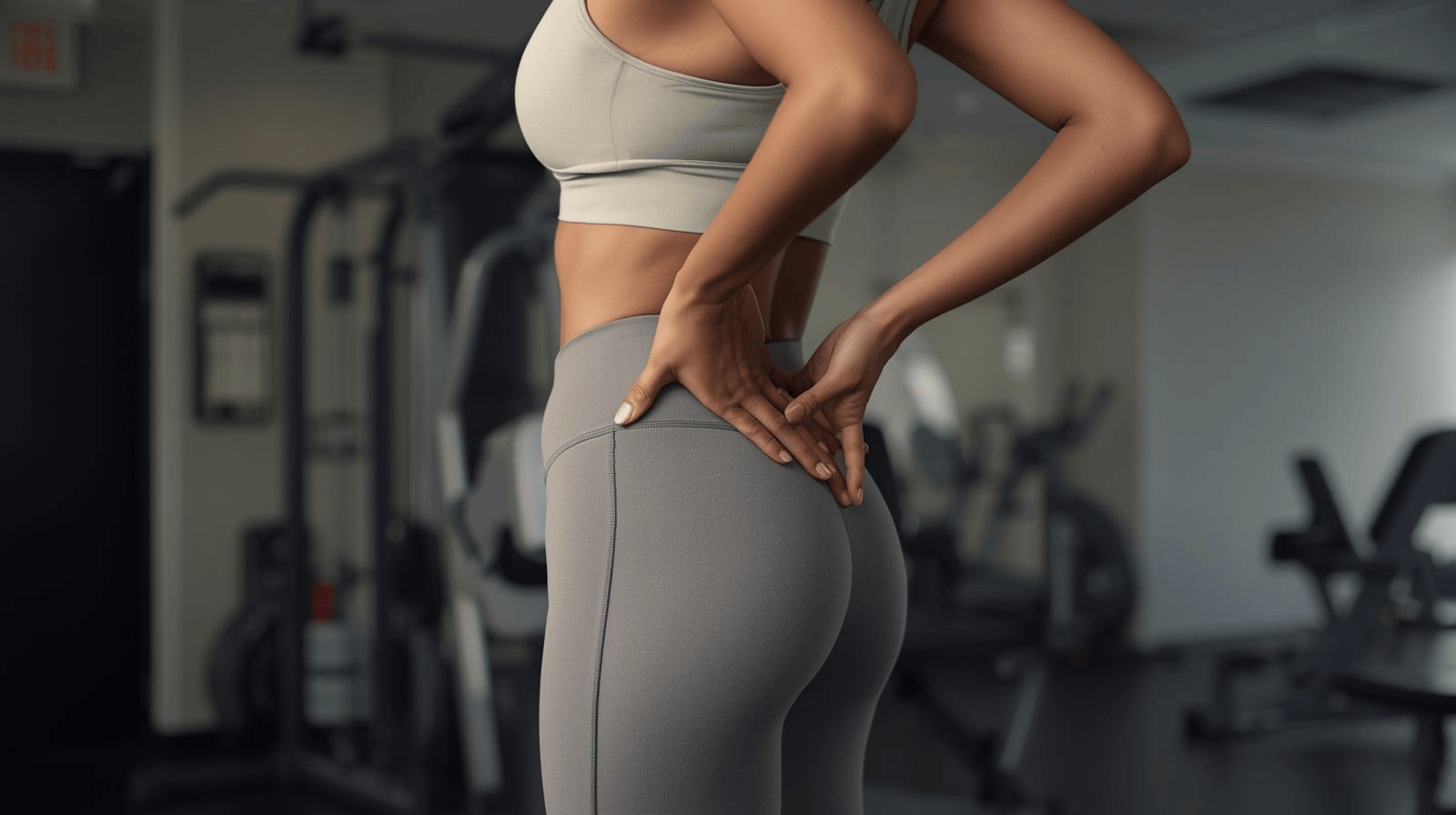
Next, look at leggings or shorts in a strong primary shade.
This is where you need to be a bit more careful. Bright leggings can look fantastic, but they also show quality very quickly. Thin fabric, poor stretch, or weak seams are more obvious in bold colours. If red leggings go sheer when you squat, everyone knows about it. If blue fabric turns shiny under stretch, you will notice. If yellow is too thin, it can become see-through under gym lighting, which is not the kind of reveal anyone needs during lunges.
Before buying bold leggings, check for three things: squat-proof fabric, good stretch recovery, and a waistband that stays in place.
Squat-proof means the fabric does not become transparent when stretched. Stretch recovery means the material returns to shape instead of bagging at the knees or sagging around the waist. A good waistband should sit firmly without rolling down or digging into your stomach. High-waisted leggings can be useful if you like more coverage and support, but only if the waistband actually stays put.
For colour, blue is the safest primary shade for leggings because it works well with black, white, grey, navy, and even other brights. Red leggings make more of a statement and can look strong with a plain black or white top. Yellow leggings are the hardest to wear well, so choose carefully. A deeper golden yellow or mustard-leaning sports shade may be more practical than a very pale yellow.
If leggings feel too much, try primary-colour shorts instead. They give the same energy but with less fabric, which can make the colour feel easier to wear.
Mackenzie: “Red shorts with a white top and ponytail? Very athletic movie montage.”
Kara: You think everything is a movie montage.
Mackenzie: “Because life improves when you dress like the soundtrack has started.”
A bold training top is another good place to start.
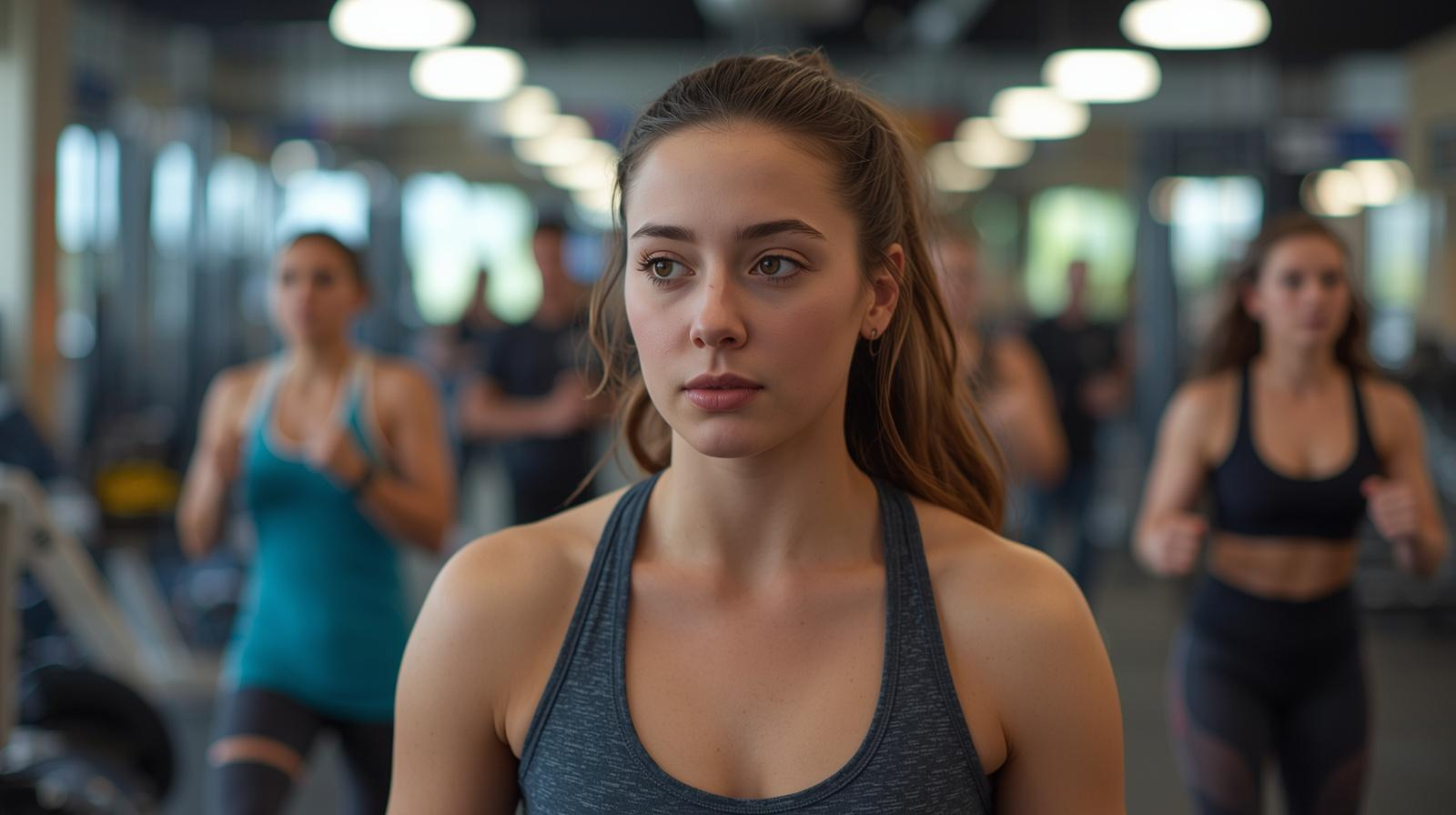
A primary-colour vest, fitted top, cropped tee, or long-sleeve layer can lift your whole gym outfit without affecting support or fit in the same way a sports bra or leggings might. Tops are also easier to rotate. You can wear a bright blue vest with black leggings, a red cropped tee with navy shorts, or a yellow long-sleeve top over a neutral base.
For training tops, fabric matters. Look for breathable, moisture-wicking materials if you are doing anything sweaty. Polyester blends and nylon blends are common in activewear because they dry quickly and keep their shape. A little elastane helps the fabric stretch with your movement. For low-intensity days, cotton blends can feel comfortable, but pure cotton holds sweat and can become heavy, damp, and clingy during harder sessions.
The fit depends on what you are doing. Loose tops can be comfortable for lifting, walking, or relaxed gym sessions, but they may move around during yoga, Pilates, or anything where you bend forward. Fitted tops stay closer to the body and may feel more secure during classes, but they should not restrict your arms, shoulders, or breathing.
The best top is one you do not have to keep pulling down, tucking in, or rearranging.
If you want the easiest primary-colour buy, choose blue. It works on almost everyone, feels sporty without being too bright, and pairs well with most gym basics. Red is better if you want power and visibility. Yellow works beautifully as a lighter, cheerful layer, especially in spring and summer.
Then there is the jacket. Do not ignore the jacket.
A primary-colour gym jacket or zip-up layer can make basic activewear look intentional. You could wear the plainest black leggings and white vest, add a red zip jacket, and suddenly it looks like an outfit rather than “I found clean clothes in the dark.”
A blue jacket is probably the most versatile. It gives that classic athletic feel and works with black, grey, white, navy, and red. A red jacket has more impact and can look sharp over dark kit. A yellow jacket is bold, but it can be brilliant for outdoor training, walking, or running because it adds visibility as well as colour.
For jackets, choose lightweight, breathable fabrics for indoor warm-ups and cooler gym days. For outdoor training, look for wind-resistant or water-resistant materials, especially if you walk, run, cycle, or train outside. You do not need a bulky coat unless you are properly outdoors in cold weather. A thin, practical layer often works better because you can warm up without overheating.
Mackenzie: “A yellow jacket is also excellent for looking like the main character in a very wholesome morning routine.”
Kara: Or for not getting flattened by a cyclist in the park. Practicality, Mackenzie.
Mackenzie: “Safety, but make it cute.”
Trainers are another easy way to try the trend.
If you are not ready for red leggings or a yellow top, start with trainers. A bold trainer can brighten up your kit without making you feel like you are wearing a full colour-blocked outfit. Red trainers look energetic and strong. Blue trainers feel sporty and clean. Yellow trainers are more playful and can make even plain gym wear look styled.
But again, do not buy trainers just because they look good. The wrong footwear can affect comfort, stability, and performance. Running shoes are designed differently from lifting shoes. Cross-training shoes are different again. If you are lifting weights, you may want a flatter, more stable sole. If you are running, cushioning and support matter. If you are doing classes, you need something that can handle side-to-side movement.
Colour is the bonus. Fit and function come first.
That is the rule for all of this, actually. Primary colours are fun, but gym wear still has a job. It has to support your body, manage sweat, move with you, and stay comfortable through the session. A bright outfit that does not work is still a bad outfit.
Now, if you want to buy into this trend without wasting money, build a small colour system.
Pick one primary colour as your main shade.
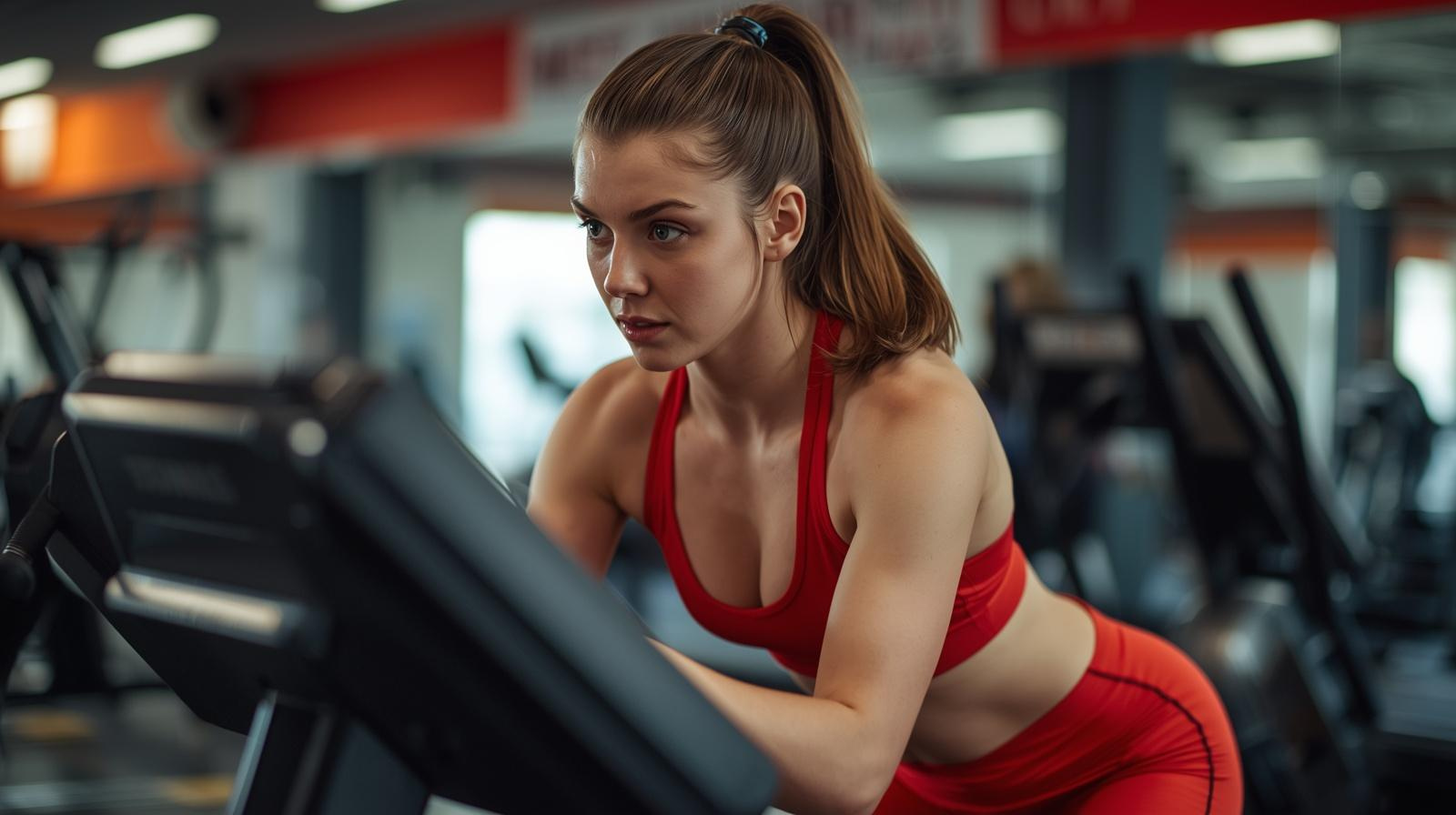
If you like strong, fierce, high-energy kit, choose red. Red works well for sports bras, tops, jackets, and trainers. It pairs easily with black, white, grey, and navy. It looks confident without needing much else.
If you want something cleaner and more classic, choose blue. Blue is the most versatile of the three. It suits activewear naturally and feels less risky than red or yellow. A blue sports bra, vest, or jacket will work with almost everything you already own.
If you want brightness and optimism, choose yellow. Yellow is better used carefully: jackets, tops, socks, caps, trainers, or small details. It can look gorgeous, but it needs the right fabric and shade. Avoid very thin pale yellow leggings unless you have checked they are fully opaque.
Mackenzie: “Or choose all three and become a walking celebration of serotonin.”
Kara: We’re trying to help people shop sensibly.
Mackenzie: “Sensible can still have accessories.”
Once you have chosen your main colour, use neutrals to ground it. Black, white, grey, navy, and cream all work with primary colours. You do not need to wear five bright pieces at once. One bold item is often enough.
A red sports bra under a black vest. Blue leggings with a white top. Yellow trainers with grey joggers. A red jacket over navy kit. A blue top with black shorts. These combinations are easy, practical, and wearable.
If you do want to colour-block, keep the shapes simple. Primary colours are already strong, so you do not need complicated straps, heavy logos, mesh panels, and five different cut-outs fighting for attention. Clean lines look better. A plain red top with blue shorts can look sporty and deliberate. A blue jacket with yellow trainers can look fresh without being too much.
Mackenzie: “Primary colours love structure. It is giving organised confidence.”
Kara: That is actually useful.
Mackenzie: “I know. It happens.”
So, what should you actually buy?
Start with a blue training top if you want the safest first step. It will go with your existing leggings, shorts, joggers, and jackets. Choose a breathable fabric with some stretch, and make sure it does not cling badly when damp.
Buy a red sports bra if you want confidence without committing to a full bright outfit. Look for proper support, a firm underband, and smooth fabric that will not rub. It can sit under neutral layers or be worn with matching pieces if that is your style.
Choose a yellow jacket if you want colour that feels useful as well as stylish. It works especially well for outdoor walks, runs, warm-ups, or travel to and from the gym. Make sure it is lightweight and easy to move in.
Try blue leggings if you want something bolder than black but still practical. Check opacity, waistband structure, and fabric recovery. Darker cobalt or royal blue shades tend to be more wearable than very pale blue.
Add red trainers only if the shoe suits your activity. A great-looking trainer that does not support your feet is not a good buy. Match the shoe to running, lifting, classes, or general training.
Use yellow in smaller pieces if you are unsure. Socks, a cap, a gym bag, a hairband, or trainers can add the colour without making your outfit feel too bright.
If you are building a small gym wardrobe, a strong starter capsule could be: black leggings, blue training top, red sports bra, white or grey oversized tee, yellow lightweight jacket, and trainers suited to your activity. That gives you colour, but also plenty of combinations.
The biggest mistake with primary colours is buying for the trend instead of your routine.
Do not buy a red high-support bra if you only do slow stretching and hate firm compression. Do not buy yellow leggings if you know you will feel self-conscious and never wear them. Do not buy a bright cropped top if you prefer coverage. Gym wear should make you feel ready, not uncomfortable.
Your best buys are the pieces that match how you actually train.
For running, prioritise support, sweat-wicking fabrics, reflective details if you go outside, and secure pockets if needed. Primary colours can be helpful here because they increase visibility, especially in jackets and tops.
For weight training, look for stable leggings or shorts, tops that allow shoulder movement, and supportive but not overly restrictive bras. A strong red or blue set can look sharp without getting in the way.
For classes, choose pieces that stay put through jumping, bending, twisting, and floor work. Bright colours are great here, but make sure the waistband and neckline are secure.
For walking or low-impact movement, you can lean more into soft fabrics, relaxed layers, and lighter support. A blue hoodie, yellow jacket, or red vest can add energy without needing performance-level compression.
For home workouts, comfort matters most. Choose breathable pieces that let you move freely. You do not need to dress like an Olympic advert to do squats in the living room, despite what Mackenzie’s mood board might suggest.
Mackenzie: “I simply believe every living-room workout deserves a coordinated scrunchie.”
Kara: There it is.
Mackenzie: “Motivation is motivation.”
The good thing about this trend is that it does not ask you to change who you are. It just gives your gym wardrobe a bit more presence.
For years, a lot of women’s activewear has been either very dark and practical or overly styled and not always useful. Primary colours sit nicely between the two. They are bold, but simple. Fun, but still athletic. Noticeable, but not fussy.
And when the pieces are chosen properly, they can make getting dressed for the gym feel easier. You know what goes together. You know what supports you. You know what colour gives you a lift. That matters more than people admit.
Because sometimes the hardest part of training is getting yourself there. If a red sports bra, blue top, or yellow jacket gives you that little push out the door, fair enough. Use it.
Just make sure the clothes still do the work.
A good gym outfit should move with you, support you, breathe properly, and stay comfortable. The colour can bring confidence, energy, and style, but it cannot make up for poor fabric or bad fit.
So yes, primary colours are taking over the gym.
Buy the pieces that brighten your kit, but choose them properly. Go for breathable fabrics, supportive cuts, secure waistbands, and colours you will actually wear. Start with one strong item, build around what you already own, and let the colour do its job without making the whole outfit complicated.
Mackenzie: “Final note: red for power, blue for focus, yellow for joy.”
Kara: Fine. That can stay.
Mackenzie: “I knew you loved it.”
Kara: Don’t push it, Monroe.